


Charting the Course
Insights on innovation, trust, and leadership in a changing digital landscape
This blog offers perspectives and resources to support leaders as they balance innovation with responsibility. Each post emphasizes real-world strategies, grounded in professional practice, for shaping trusted systems that advance safety, innovation, and organizational goals.
-

How We Respond
How we respond to mistakes and unexpected moments shapes more than the immediate outcome. A continued reflection on grace, compassion, and leadership.
-
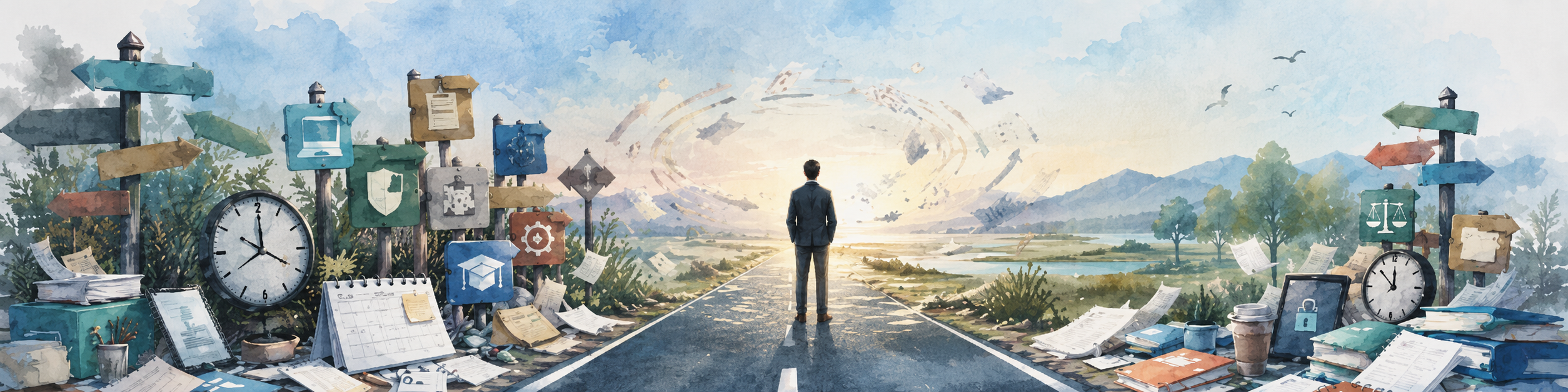
Why Does It Feel Like No One Cares?
People engage in conversations, but not necessarily the work. People express a desire to learn more, do more, and innovate, but time quickly passes with no movement. We know these things are important. And yet, so often, we stagnate. From the outside, that inaction can look like indifference. But, I do not believe that is…
-

When AI Starts Speaking for You
In the name of efficiency… are we letting AI replace us as professionals? Is it better to move faster or to slow down just enough to make sure the words are actually ours? Because at some point, it’s not about how quickly the message was sent. It’s about whether we can stand behind what it…
-

Balance Isn’t Always the Goal
Sometimes we try to balance where it doesn’t belong. It tips. It spills. It creates more work. Real leadership creates the space so things don’t have to be balanced so carefully to begin with.
-
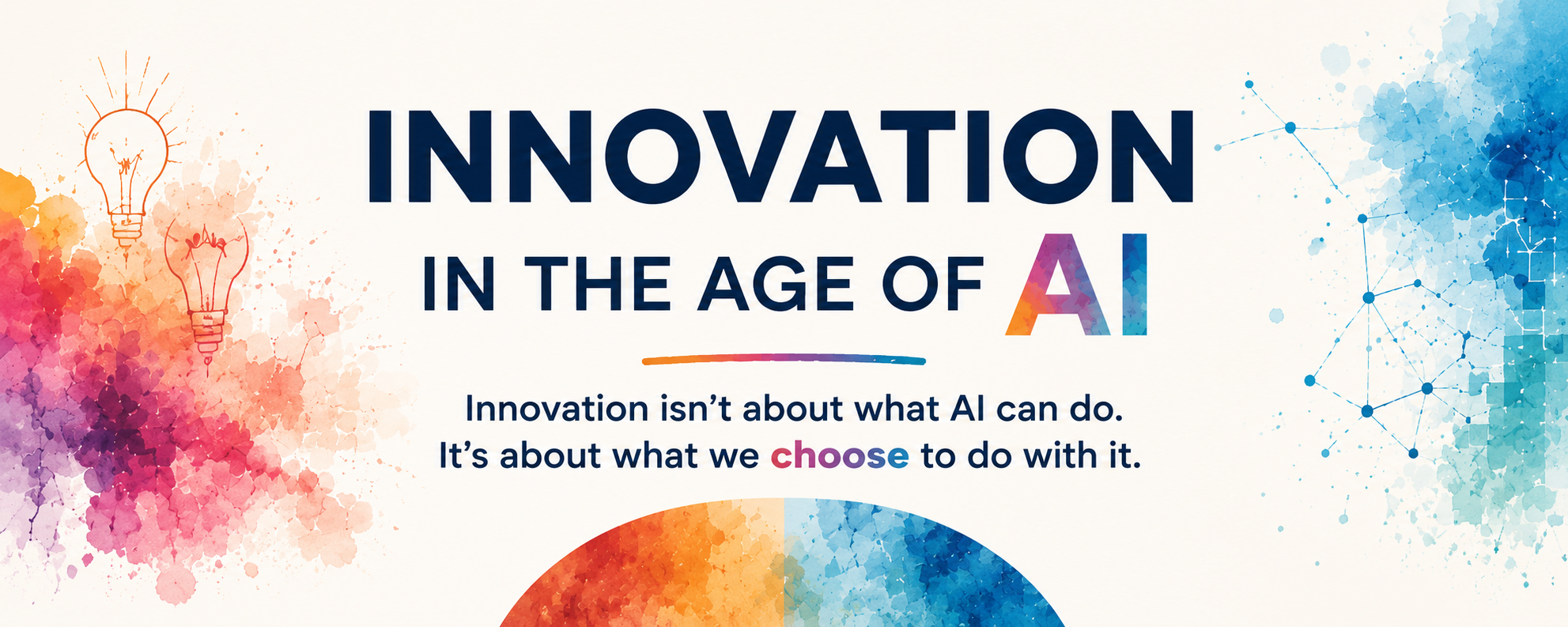
Innovation in the Age of AI
Innovation is one of those words that gets used so often that it can start to lose meaning. In the age of AI, it’s easy to mistake access for innovation—but true innovation isn’t about the tool. It’s about how we think, solve problems, and create something meaningful that didn’t exist before.
-

Does using AI limit creativity?
AI can be a shortcut—or a spark. Does it limit creativity… or expand it? The real question may not be whether AI limits creativity—but whether we are helping students understand what it is, what it isn’t, and how to use it in a way that preserves what makes them uniquely human.
-
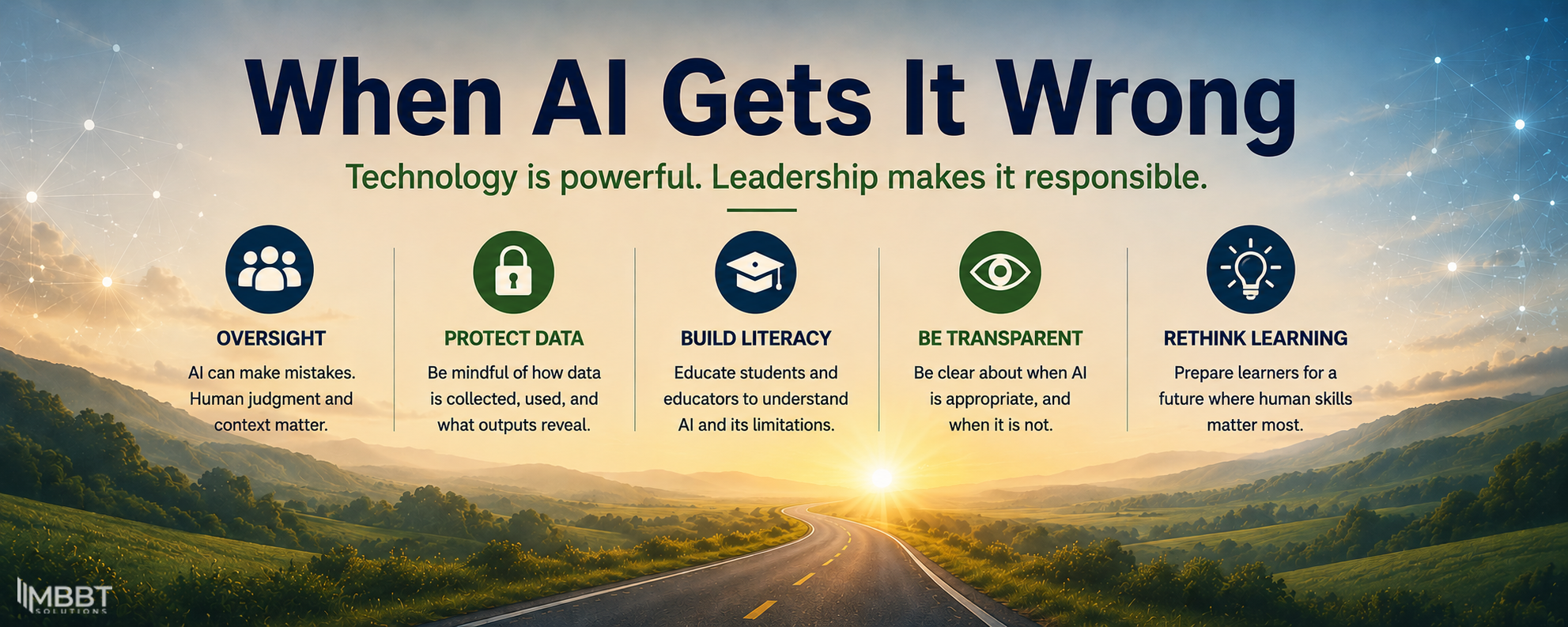
When AI Gets It Wrong
AI will continue to improve, but it will never be perfect. The goal should not be eliminating every mistake. The goal should be building systems that recognize mistakes, respond appropriately, and keep people at the center of important decisions. That is the work of leadership. And that is the road to safe, strategic innovation.
-

Recognition Is Not Enough
Recognition matters, but it cannot be the end of the conversation. Healthy teams need clear expectations, shared responsibility, and accountability that protects the people doing the work.
-

When the Same People Keep Showing Up
Last week, I reflected on what it looks like when a team carries the weight together, when a pitcher focuses on throwing outs, not strikeouts, and trusts the defense behind him to do its job. But there is another side to that lesson. What happens when the team starts expecting the pitcher and catcher to…