
Lessons from the Trail
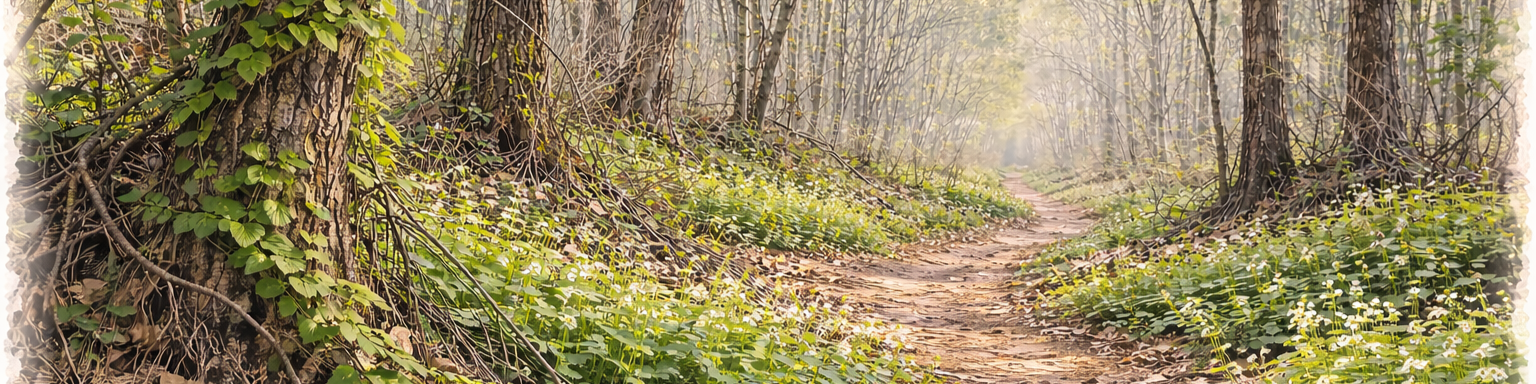
Walking forest trails in early spring, the first signs of green often come from plants that do not belong there.
Invasive species appear before many native plants. They grow earlier, spread faster, and hold their ground longer into the season. Because they leaf out quickly, they capture sunlight and nutrients before other plants even have a chance to emerge. Over time, they can dominate an entire section of forest floor.
Hikers and conservationists often focus on removing invasive plants, and for good reason. Left unchecked, they can disrupt an ecosystem.
But standing along the trail, I found myself thinking about something different.
These plants are remarkably effective at what they do.
They arrive early.
They grow quickly.
They spread consistently.
And they stay rooted long enough to claim space.
Leadership initiatives sometimes fail because they do the opposite.
New ideas are often introduced late in a season of change. They appear briefly in meetings or presentations, then disappear before they have time to take root. Momentum fades before the idea has a chance to take hold across the system.
Meanwhile, existing habits and informal norms continue growing in the background.
If leaders want a new culture to grow, we may have something to learn from the very patterns we often criticize in invasive species.
They start early.
They spread intentionally.
They remain persistent.
If we want a healthier ecosystem of ideas, we cannot plant once and hope for the best. We must plant early, nurture consistently, and stay long enough for the roots to hold.
Sometimes the trail teaches us that even the plants we struggle with have something to teach.