Lessons from the Trail
What feels easy on the way down often requires intention on the way back up.
Climbing uphill asks something different of you.
There is no momentum to carry you forward. Each step requires intention. Your pace slows. Your footing matters more. You begin to notice the trail in a way you might not have before.
On steeper paths, that awareness becomes essential.
Hikers quickly learn there is more than one way to reach the top. Some paths rise sharply, gaining elevation in a short distance. Others wind gradually along the hillside, stretching the climb over a longer route.
The destination is the same. But the experience is very different.
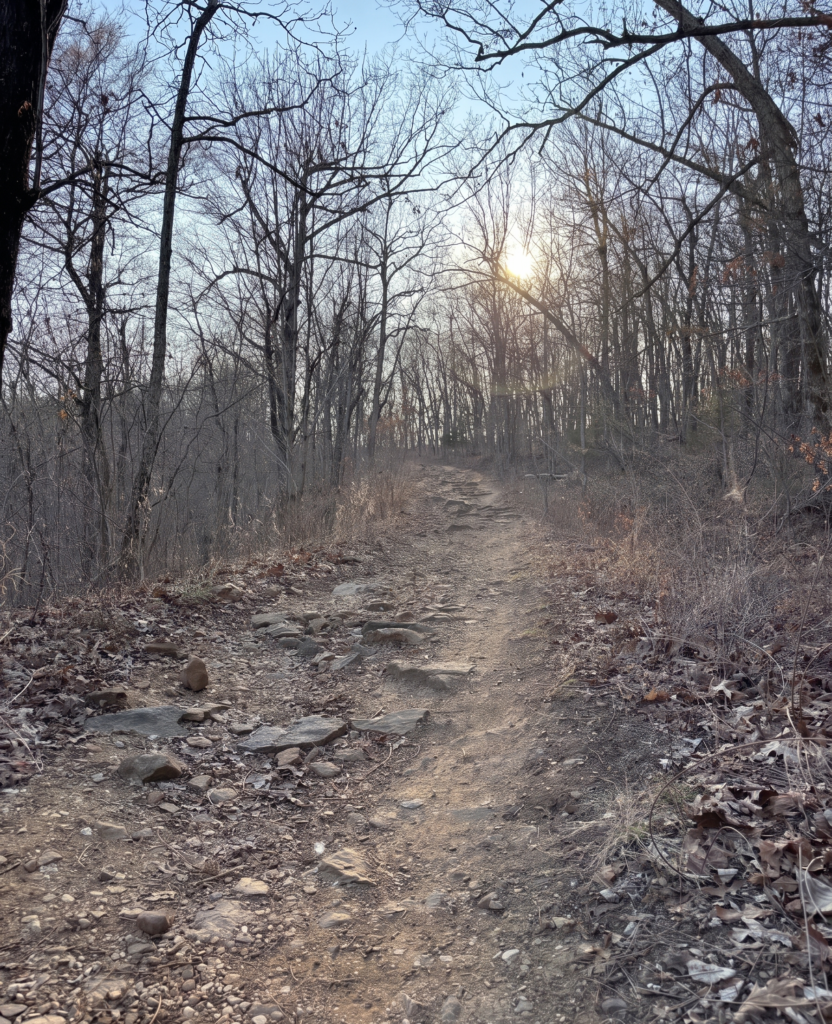
A steep, direct climb can feel efficient, but it often comes with strain. Loose gravel shifts under your feet. Uneven rocks demand constant attention. The path becomes something to endure rather than follow.
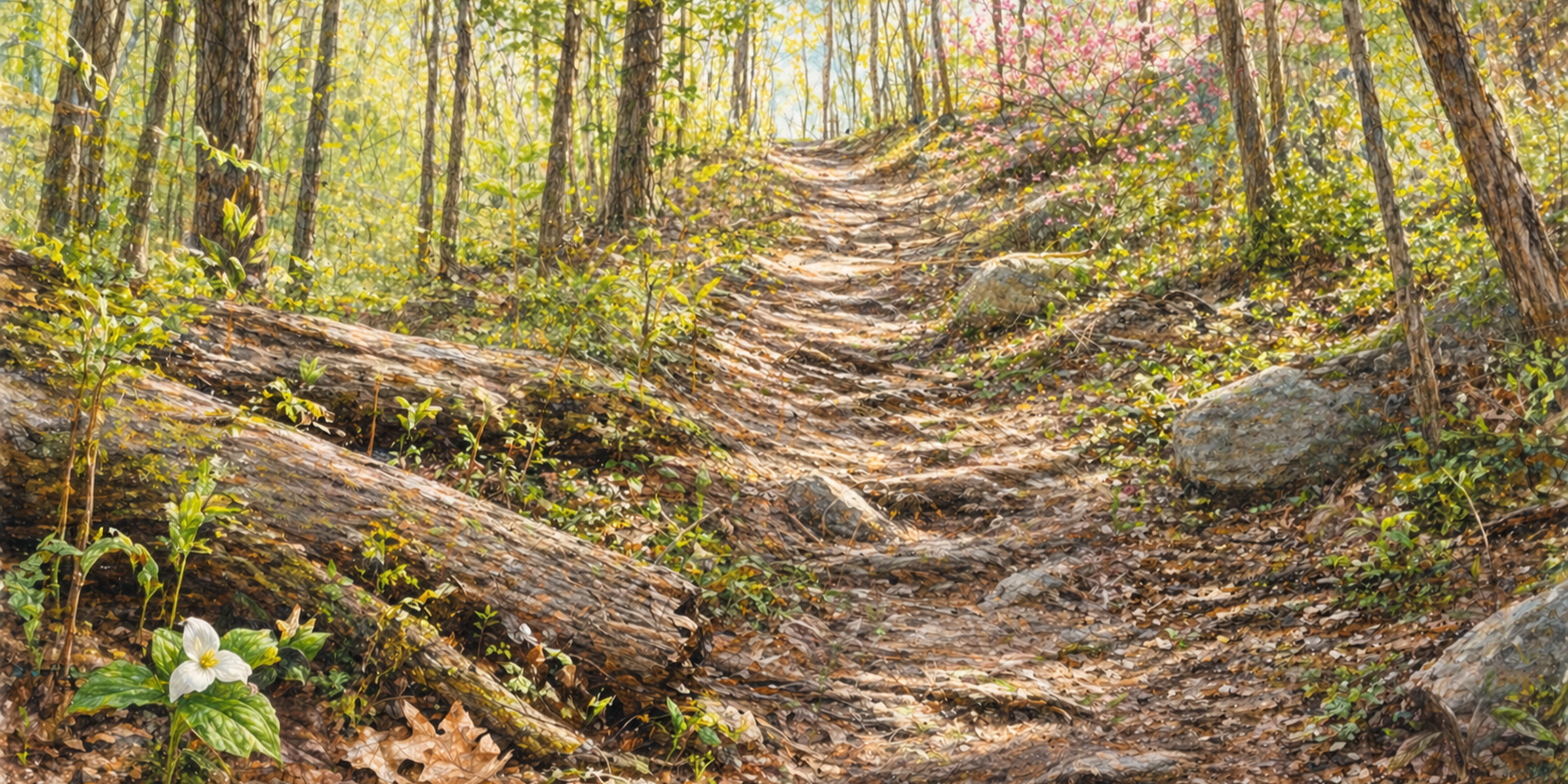
A more gradual path requires more distance and time, but it changes the experience.
The incline is still there, but it is manageable. The ground is steadier. The rhythm becomes sustainable. You can move farther, not because the distance is shorter, but because the path allows it.
Organizations are no different.
Progress is not defined only by where we are going, but by how we ask people to get there. Leaders set direction, but they also shape the path.
And the path matters more than we often realize.
Rocky systems. Unclear expectations. Competing priorities. Each one adds friction. Individually, they may seem manageable. Together, they make progress harder than it needs to be.
Over time, that strain shows up in different ways.
Fatigue. Inconsistency. Resistance that is often interpreted as reluctance, when it is really the result of a path that is difficult to navigate.
It is easy to respond by asking people to move faster.
To push harder.
To keep climbing.
But effort alone does not change the path.
Leadership shows up in a different set of questions.
Where are we making this harder than it needs to be?
What barriers have we accepted as normal?
What would it look like to create a steadier route forward?
Sometimes the most important work is not adding something new, but removing what no longer serves the journey.
Clearing a path.
Smoothing the ground.
Creating space for people to move with confidence.
This does not mean the climb becomes easy.
It simply becomes possible for more people to move forward together.
Because progress is not just about reaching the top. It is about how many people are able to make the climb, and whether the path we create allows them to do so in a way that is sustainable.
Sometimes going slower is not a step back.
It is the work that makes the rest of the journey possible.